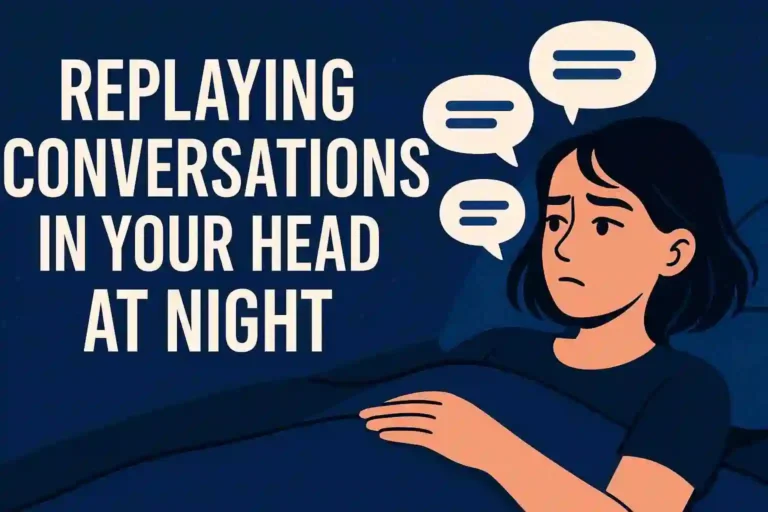

Stop Racing Thoughts Fast: 3 Fixes to Calm an Overthinking Mind
If you’re constantly stuck in your head, you’re not alone. Many people struggle daily to stop racing thoughts that spiral out of control. Over-analyzing conversations, obsessing over the future, or replaying past mistakes is exhausting. These patterns are not just draining — they can increase anxiety, reduce sleep quality, and make it harder to focus. The good news? You can break the loop. In this guide, you’ll learn 3 quick and easy ways to stop racing thoughts and finally calm your mind.
Overthinking simply means thinking too much — especially about things that either already happened or haven’t happened yet. And while it might feel like you’re just being careful or responsible, overthinking usually leads to stress, anxiety, and decision fatigue. It can even affect your relationships, job performance, and health.
If you’re tired of constantly spinning in your thoughts, here are 3 quick and easy fixes you can start using today.



1. Use the 5-Minute Rule to Stop Racing Thoughts Fast
What It Means:
The 5-minute rule is simple — if you can solve or act on a thought in 5 minutes or less, do it immediately. If not, schedule it for later.
Real-Life Example:
Let’s say you’re thinking, Did I offend my coworker in that meeting? Ask yourself:
Can I clarify it with a quick message?
If yes, just send a polite text or email. If not, and it’s something that needs a longer conversation, put it on your calendar and move on for now.
This trick helps you act instead of overthink. Action reduces anxiety. Thought spirals don’t.
Why This Helps:
When you overthink, your brain gets stuck in what-if scenarios. By making a decision quickly or putting it aside for a set time, you give your brain a break and reduce mental clutter.
If you’re stuck in a loop of mental stress, learning how to reduce anxiety fast is one of the most valuable skills you can develop. People often search for effective ways to stop mental overthinking and ease emotional burnout.
Quick Tip:
Break the habit of over analyzing your life. Not every thought needs attention. Some are just noise.
Want more exclusive updates like this?
2. Shift From Thinking to Doing With Micro-Actions
What It Means:
Instead of trying to think your way out of a problem, do something small about it. These tiny steps — or micro-actions — break the cycle of constant thought.



Real-Life Example:
Imagine you’re overthinking about your fitness. You’re stuck in questions like Should I do yoga or join a gym? Will I stick to it? What’s the best time?
Stop. Just put on your shoes and take a 5-minute walk. That’s a micro-action.
Even a small action gives your mind a sense of control. It pulls your brain out of the emotional swirl and back into the present.
Why This Helps:
Taking micro-actions sends a message to your brain: I’m in charge, not my thoughts. This can boost your mental health and improve your productivity.
By using daily productivity habits and taking small steps, you not only beat overthinking but also increase focus, which is a key factor in better work performance and stress management techniques.



Bonus Hack:
Write down your top 3 worries. Now, under each one, list 1 micro-action you can take today. Then actually do them. If you journal for even 5 minutes before bed, you can often stop racing thoughts that keep your brain on overdrive.
3. Talk to Yourself Like You Would Talk to a Friend
What It Means:
When you’re stuck in your head, ask: What would I tell a friend in this same situation? Then, say that advice to yourself.
This creates distance from your thought spiral and gives you a more balanced perspective.
Real-Life Example:
Let’s say you’re replaying a breakup conversation over and over. Ask yourself, If my best friend was doing this, what would I say to her?
Maybe you’d say: You did your best. Stop blaming yourself. It’s okay to move on.
Use that same kindness on yourself. Be your own friend.
Why This Helps:
Most over-thinkers are harsh self-critics. They assume the worst about themselves and their future. This builds anxiety. But speaking kindly and realistically breaks the cycle.
Practicing emotional self-care for mental health is essential in managing overthinking patterns. It reduces negative self-talk and promotes a healthier mindset, which people often search for when dealing with overthinking.
Still Wondering Why Overthinking Hurts So Much in Relationships?
When you overthink everything, it’s especially painful in relationships. You start to question the other person’s words, actions, intentions — even their silence. This can create trust issues, distance, and emotional exhaustion.
If you’ve ever asked yourself Why do I always get hurt in love even when I’m being nice?, you’re not alone.
This will give you clarity on not just your thoughts — but also your heart.
Final Thoughts: Overthinking Doesn’t Mean You’re Broken
Overthinking is a habit — not your identity.
You might be someone who feels deeply, cares too much, or wants to make the right decisions. That’s not a flaw. But if your mind is running nonstop, you deserve peace too.
Try the 5-minute rule. Start micro-actions. Be a friend to yourself. These aren’t just quick fixes — they are life skills that build emotional freedom.
By learning how to control racing thoughts, building healthy mental habits, and practicing anxiety relief techniques, you not only improve your well-being but also increase your ability to make decisions with clarity.
Want more exclusive updates like this?
Share your favorite moments with us on Instagram!
Don’t keep this to yourself—share it with a friend!