
Why Nice People Get Hurt in Relationships (And How to Stop It)
Many ask why nice people get hurt in relationships so often, despite their best intentions. Being nice is often seen as a good thing. You’re kind, caring, generous, and thoughtful. But when it comes to love and relationships, many nice people often end up getting hurt more than others. Why does this happen? Are nice people just unlucky in love? Or is there something deeper going on?
In this article, we’ll explore why nice people get hurt more often in relationships, how to spot the warning signs, and most importantly, how you can protect your heart without becoming cold or selfish. Let’s dive in.
Who Are “Nice” People in Relationships?
Nice people are those who often put others’ needs ahead of their own. They are natural givers, often saying yes more than no and avoiding conflict. Loyal by nature, they try hard to make things work—even when it’s one-sided.



Real-life example:
Samantha is always the one planning dates, sending sweet texts, and compromising her schedule to meet her boyfriend. But he rarely makes the same effort. Over time, she feels tired, unseen, and taken for granted.

This happens far too often with genuinely kind-hearted people.
Why Nice People Get Hurt More in Love
1. They Struggle With Setting Boundaries
Boundaries are personal rules or limits you set to protect your mental, emotional, and physical space. Without clear boundaries, people may walk all over you—intentionally or not.
Nice people often fear that saying no will make them seem rude or unloving. But always saying yes doesn’t build love. It builds resentment.
2. They Attract the Wrong Kind of Partners
Some people are naturally drawn to givers because it’s easy. They may be emotionally unavailable, selfish, or even manipulative. These partners see kindness as weakness.
Example:
John is a kind, forgiving man. He falls in love with someone who constantly cheats, apologizes, and repeats the cycle. He forgives again and again, thinking it’s love. But in reality, he’s just stuck in a toxic loop.
This is why emotional intelligence and self-worth are more important than just being nice.

3. They Confuse Pleasing With Loving
Being nice often turns into people-pleasing. This is when you do things just to avoid upsetting others, even if it hurts you. It feels like love, but it’s not.
Real-life example:
Rachel always agrees to what her partner wants—what to eat, where to go, how often to meet. Deep down, she feels unhappy but doesn’t speak up because she doesn’t want to seem difficult.
This emotional suppression leads to heartbreak over time. One reason why nice people get hurt in relationships is they often overlook emotional red flags, hoping love will fix everything.
Want more exclusive updates like this?
4. They Keep Giving Without Receiving
Love is not a one-way street. It needs to flow both ways—emotionally, physically, and mentally. But nice people often keep giving, thinking that their love will eventually be returned. Sometimes it is. But often, it isn’t.


5. They Stay Too Long in Broken Relationships
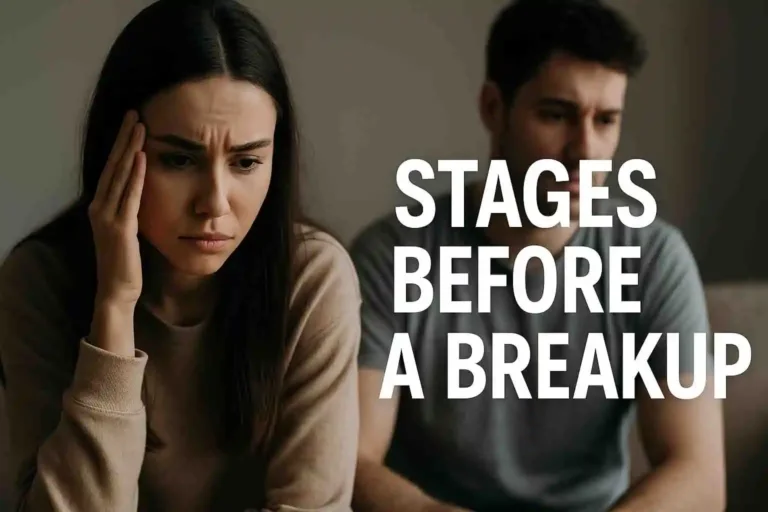
Because nice people always hope for the best, they stay longer than they should. They believe things will change. Despite the hurt, they forgive again and again. Still, they invest time, energy, and emotions—even when it’s damaging their mental health.
Example:
Alex knows his relationship is falling apart, but he keeps holding on because he “doesn’t want to hurt” the other person. Ironically, he ends up hurting himself the most.
How to Protect Yourself Without Changing Who You Are
Being nice is not the problem. Being too available, too forgiving, and too self-sacrificing is. Here’s how you can stay kind and protect yourself.
1. Learn to Say No (Kindly)
You can say no without being rude. You can protect your time, energy, and emotions without turning into a cold or distant person.
2. Create Emotional Boundaries
You don’t need to share everything with someone right away. Don’t ignore red flags just because you want the relationship to work.
Boundaries are not walls. They are filters. They let in the right people and keep out the wrong ones.
3. Watch for Patterns, Not Promises
Nice people often hold on to promises instead of patterns. But promises mean nothing if the behavior doesn’t change.
Example:
If your partner keeps saying they’ll make more effort, but they never actually do, pay attention. Actions speak louder than sweet words.
4. Practice Self-Respect, Not Self-Sacrifice
Being nice should never mean tolerating disrespect. If someone keeps hurting you and expects you to just forgive and forget, that’s a sign of imbalance.
You are not hard to love. You’re just giving your love to someone who doesn’t value it.
5. Know Your Worth
You define your value by how you treat yourself and what you allow in your life—not by how much you give or how many people like you.
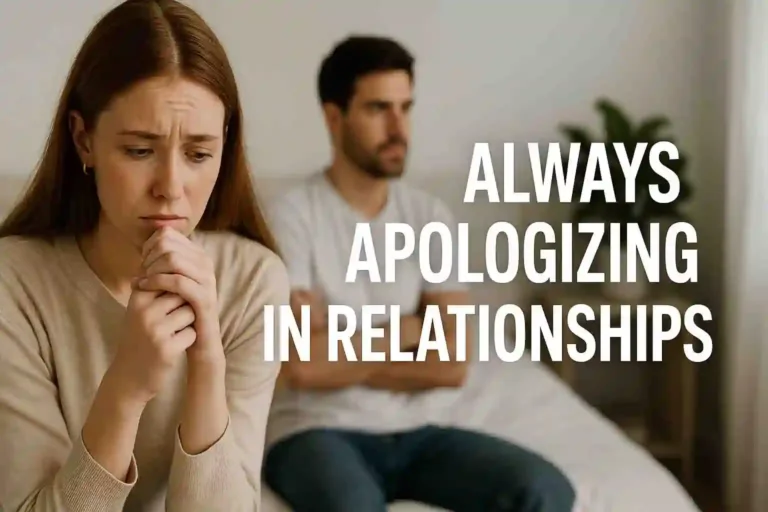
6. Stop Over-Apologizing
Nice people often say sorry even when they’ve done nothing wrong. This slowly trains others to believe they are always at fault.
Next time, instead of saying sorry, say thank you. For example, instead of “Sorry I’m late,” say “Thank you for waiting.”
This small change builds self-confidence and keeps your kindness strong without making you seem weak.
Final Thoughts
Being nice is a beautiful quality, but it needs balance. Love should feel safe, supportive, and equal. If you keep getting hurt in relationships, it’s not because you’re too nice—it’s because your kindness is not protected.
Start putting yourself first without guilt. Speak up. Set boundaries. Say no when needed. And remember: kindness is a strength, not a weakness.
Helpful next step: If you struggle with saying no or fear hurting people by setting limits, be sure to read How to Say No Without Feeling Guilty and Stay Kind to take your power back with love and respect.
Bonus tip for long-term emotional wellness: Use journaling, therapy apps, or even financial planning tools to track your relationship patterns. Many high-earning professionals use tools like budgeting software, mental health trackers, and coaching apps to improve both love and life success.
Share your favorite moments with us on Instagram!
Don’t keep this to yourself—share it with a friend!